
Industrial piping and instrumentation projects frequently use both welded connections and mechanical tube fittings. They serve different purposes, so the question is not simply which connection is better. For buyers comparing an Instrumentation Weld Fitting Manufacturer with tube-fitting options in Pune, application conditions should guide the choice.
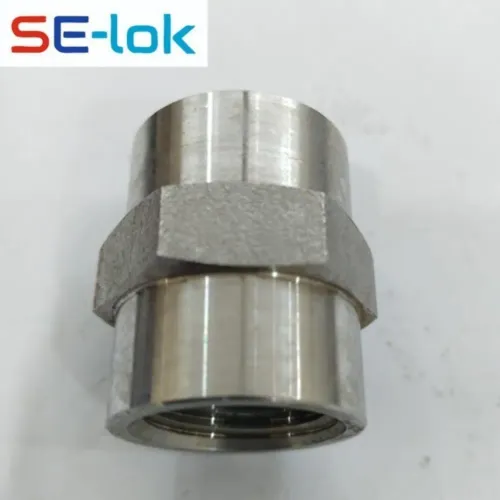
Weld fittings create permanent joints and are commonly considered where system design calls for welded connections. They may be incorporated into process piping, instrumentation assemblies, skids, and other installations where permanent connection integrity is required.
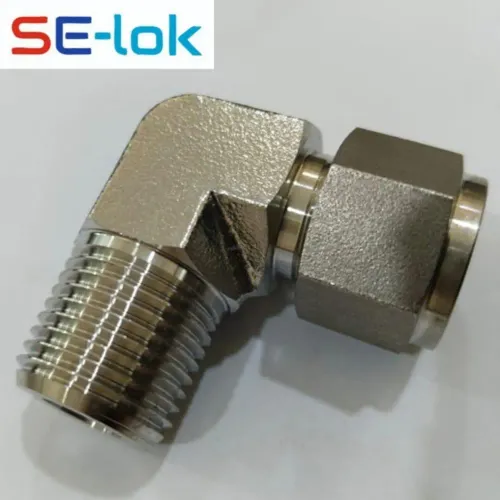
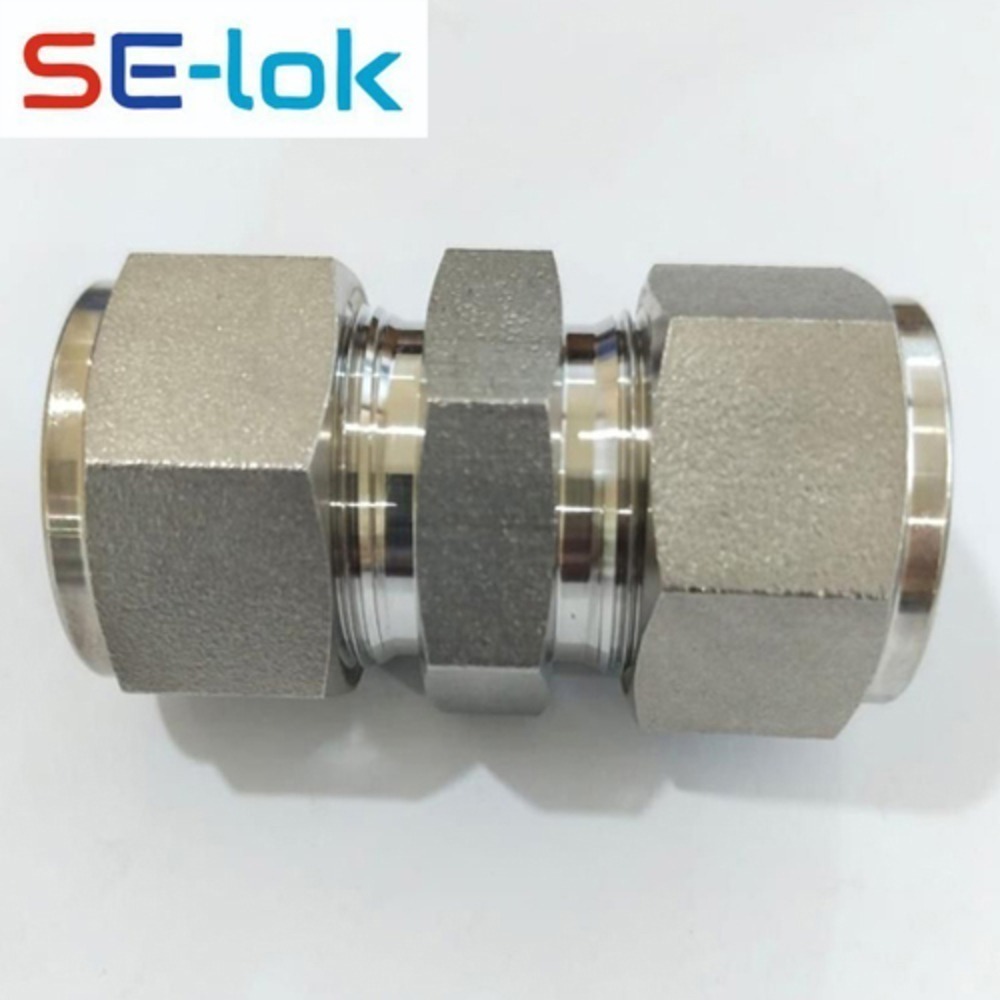
Mechanical instrumentation tube fittings offer a different advantage. They can simplify assembly, disassembly, component replacement, and maintenance when correctly specified and installed.
The choice can be evaluated through several factors.
Maintenance access: Systems requiring periodic component removal may benefit from accessible mechanical connections.
Permanence: Where a permanent joint is part of the design philosophy, an SS Weld Fitting Manufacturer may provide appropriate elbows, tees, reducers, or other required configurations.
Installation conditions: Welding requires appropriate procedures, skilled execution, and consideration of the material being joined. Tube fittings require correct tube preparation and assembly.
Pressure and temperature: Both connection types must be selected according to actual design conditions.
Process media: Material compatibility remains essential regardless of connection method.
Pune's process equipment manufacturers, pharmaceutical projects, chemical installations, engineering contractors, and industrial plants often combine several connection technologies within one facility. Maharashtra projects may use welded process lines alongside smaller instrumentation tubing networks.
Mangalsai Technologies Pvt Ltd works across instrumentation-related components, allowing buyers to evaluate connection requirements according to the wider system rather than viewing fittings in isolation.
Project teams should also consider lifecycle maintenance. A connection that is convenient during fabrication may become difficult to service after equipment installation. Conversely, unnecessary detachable connections can increase the number of potential maintenance points.
The most practical approach is to classify connections during system design. Identify where permanent joints are preferred, where instruments may need removal, where access is restricted, and where pressure or process conditions impose additional requirements.
This approach allows weld fittings and tube fittings to complement one another instead of being treated as competing solutions.